
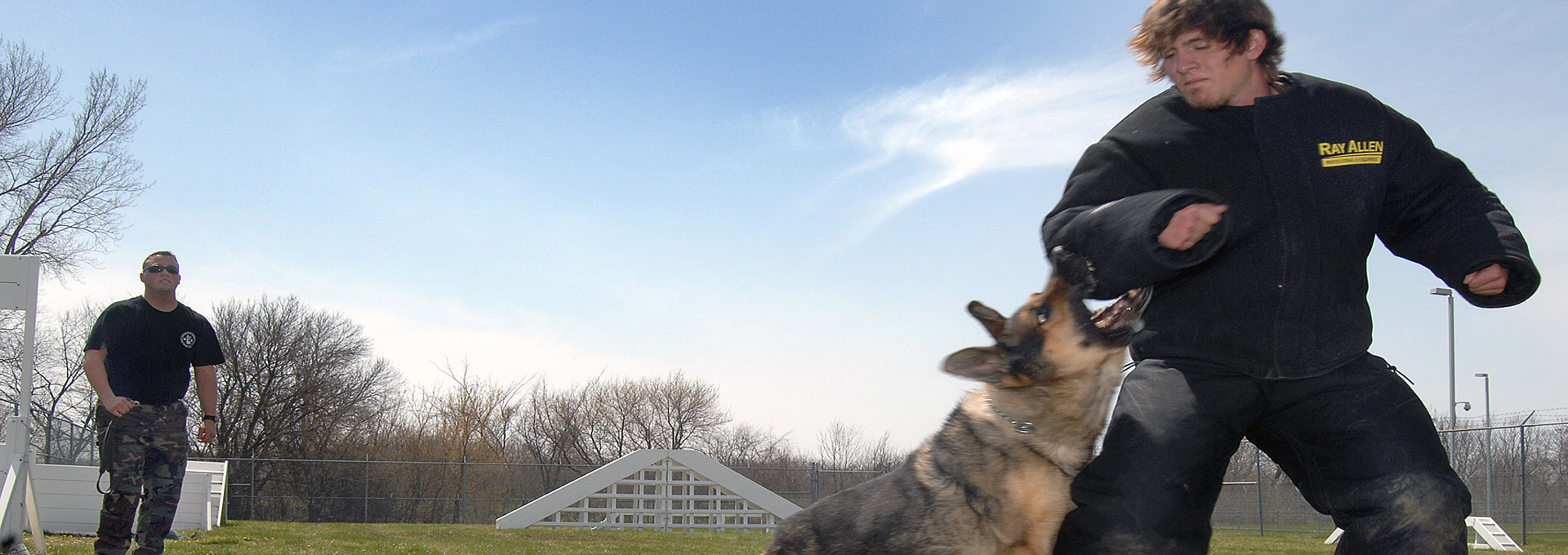
Repeat step 10, placing your fake intruder at various points and pointing at it each time you command your dog. Repeat this until you are convinced that your dog has mastered the command and would no longer come after your arm.
As a final note, I believe that with these steps, you would successfully transform your dog from a mere pet into a selfless guard dog that attacks only when you want it to.
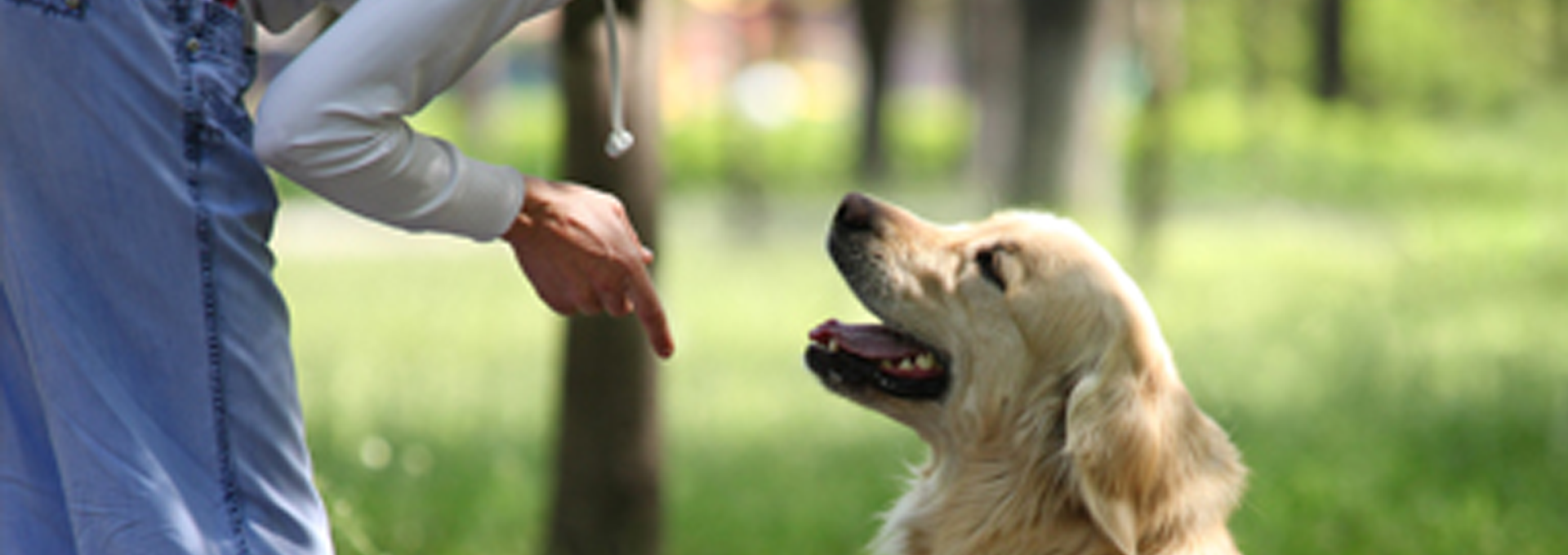
Mastering basic obedience commands is a vital part of being a responsible dog owner. These basic commands make navigating the relationship between animal and owner much easier and keep both you and your pet safe in emergency situations.
From an outsider's perspective, basic training can look either very simple or extremely difficult. Recognize that training can take a lot of work. Also recognize any dog can learn at least the most basic and necessary commands. Dog owners occasionally run into road blocks when training, don't become frustrated. Seeking assistance from a professional trainer benefits first-time owners or individuals struggling with teaching commands or correcting problem behaviors. Don't ever hesitate to ask for help!
Training takes a lot of time and patience, even if you aren't trying any complicated or 'fancy' tricks. The responsibility of pet ownership includes properly training and socializing your animal. Before considering adopting an animal, please take into account how much time you will need to dedicate to making sure you have a happy, healthy, well-socialized and well-trained animal.
Finally, dog ownership and even training should be fun! Don't be too serious and make sure both you and your pet have a good time so you will look forward to future sessions!
For this trick, your dog should already know the Sit command. This command can be a little more difficult to master because it is a very submissive position for your dog to take.
To master this command, your dog should already be able to do either the Sit or Lay positions. You will need both a short lead (6') and a longer lead to assist in training.
To begin working on this command your dog should already know the 'Sit' or 'Down' and 'Stay' commands. You will need a longer lead for this command.
A dog can be a wonderful addition to any home, but whether you're an experienced pet parent or a first-time adopter, it's important to keep your canine companion's health and happiness a top priority. Below are some useful tips for all dog parents.
And remember: If you're considering bringing home a new dog, please make adoption your first option. We encourage you to browse our directory of adoptable dogs in your area or visit our Find a Shelter page to start your search.
Premium-quality dry food provides a well-balanced diet for adult dogs and may be mixed with water, broth or canned food. Your dog may enjoy cottage cheese, cooked egg or fruits and vegetables, but these additions should not total more than ten percent of his daily food intake.
Puppies should be fed a high-quality, brand-name puppy food (large breed puppy foods for large breeds). Please limit "people food," however, because it can result in vitamin and mineral imbalances, bone and teeth problems and may cause very picky eating habits and obesity. Clean, fresh water should be available at all times, and be sure to wash food and water dishes frequently.
Dogs need exercise to burn calories, stimulate their minds, and stay healthy. Individual exercise needs vary based on breed or breed mix, sex, age and level of health. Exercise also tends to help dogs avoid boredom, which can lead to destructive behaviors. Supervised fun and games will satisfy many of your pet's instinctual urges to dig, herd, chew, retrieve and chase.
Help keep your dog clean and reduce shedding with frequent brushing. Check for fleas and ticks daily during warm weather. Most dogs don't need to be bathed more than a few times a year. Before bathing, comb or cut out all mats from the coat. Carefully rinse all soap out of the coat, or the dirt will stick to soap residue. Please visit our Dog Grooming Tips page for more information.
To carry a puppy or small dog, place one hand under the dog's chest, with either your forearm or other hand supporting the hind legs and rump. Never attempt to lift or grab your puppy or small dog by the forelegs, tail or back of the neck. If you do have to lift a large dog, lift from the underside, supporting his chest with one arm and his rear end with the other.
Your pet needs a warm, quiet place to rest, away from all drafts and off the floor. A training crate or dog bed is ideal, with a clean blanket or pillow placed inside. Wash the dog's bedding often. If your dog will be spending a lot of time outdoors, be sure she has access to shade and plenty of cool water in hot weather, and a warm, dry, covered shelter when it's cold.
Follow your community’s licensing regulations. Be sure to attach the license to your dog’s collar. This, along with an ID tag and implanted microchip or tattoo, can help secure your dog’s return should she become lost.
Daily inspections of your dog for fleas and ticks during the warm seasons are important. Use a flea comb to find and remove fleas. There are several new methods of flea and tick control. Speak to your veterinarian about these and other options. Visit our Fleas and Ticks page for more information.
Never give your dog medication that has not been prescribed by a veterinarian. If you suspect that your animal has ingested a poisonous substance, call your veterinarian or the ASPCA Animal Poison Control Center for 24-hour animal poison information at (888) 426- 4435.
Female dogs should be spayed and male dogs neutered by six months of age. Please visit our Spay/Neuter Your Pet page to learn more.
Your dog may benefit from receiving a number of vaccinations. Please visit our Pet Vaccinations page to learn more.
Keep your dog on a leash when you are outside, unless you are in a secured, fenced-in area. If your dog defecates on a neighbor's lawn, the sidewalk or any other public place, please clean it up.
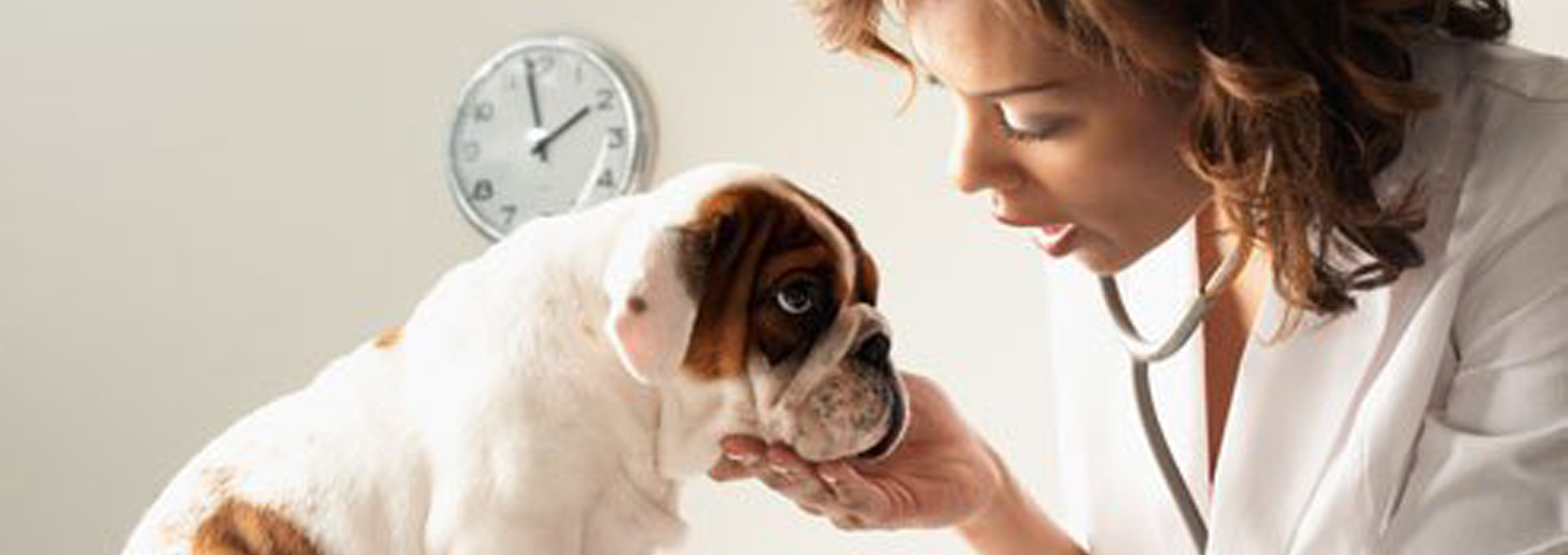
Regular grooming is an important part of responsible dog care, even if it may seem like your dog is taking care of those needs by himself. If you don’t have a routine set, start small. Attempt one task each time. Brush one day. Then bathe the next. And trim the nails on yet another day. The shorter you can keep each session, the better.
Ready to begin? Here are a few dog grooming tips to make the process easier.
• Check for ticks as you brush
You may notice the bugs themselves or small black flecks.
• Determine how often you need to brush
Most short coats require weekly brushing, but longer coats may require daily attention.
• For smooth, short coats
Use a slicker brush to remove tangles, followed by a bristle brush.
• For short, dense coats
Use a slicker brush to remove tangles, followed by a bristle brush.
• For long coats
Use a slicker brush to remove tangles and be very gentle when removing mats. Then follow it with a bristle brush.
• Don’t forget the tail and feet
Particularly for dogs with longer coats.
• Determine how often your dog needs a bath
Depending on the weather and your dog’s recent activities, you may want to bathe your dog every one to three weeks.
• Use a dog shampoo
Dog’s skin is different from humans, so you want to ensure the shampoo is mild enough to avoid irritation.
• Start by brushing
It will make the bathing process easier and more effective.
• Use a bath mat
If your pup is in the tub, this helps prevent slipping.
• Add lukewarm water
Be careful not to burn your dog or make it too cold, and only use about 3 to 4 inches in the tub.
• Don’t spray directly in the nose, eyes, or ears
A plastic cup or a spray hose can help you direct the water where you want it to go.
• Rinse well
One of the most common grooming mistakes is not properly removing all of the shampoo, leaving it on the skin to irritate your dog.
• Check the ears
Do you notice any foul odors or a lot of debris? Consult your vet
• Use a low heat setting on the blow dryer
A dryer can be an effective way to keep your dog from making everything in your house wet as he dries, but be careful not to burn your pup. You can also help keep it safe by not pointing it directly at your pup, but a little to the side instead.
• Try a bath toy
If your dog is overexcited and mouthy during bath time, it may redirect some of that attention onto something else.
Certain breeds have more particular needs. For example, bulldogs require special attention between the folds on their face. And droopy ears can be more prone to problems, so they should be monitored closely. Talk to your veterinarian to get dog grooming tips specific to your pup.